How often should you change your car’s oil? A simple 2026 guide
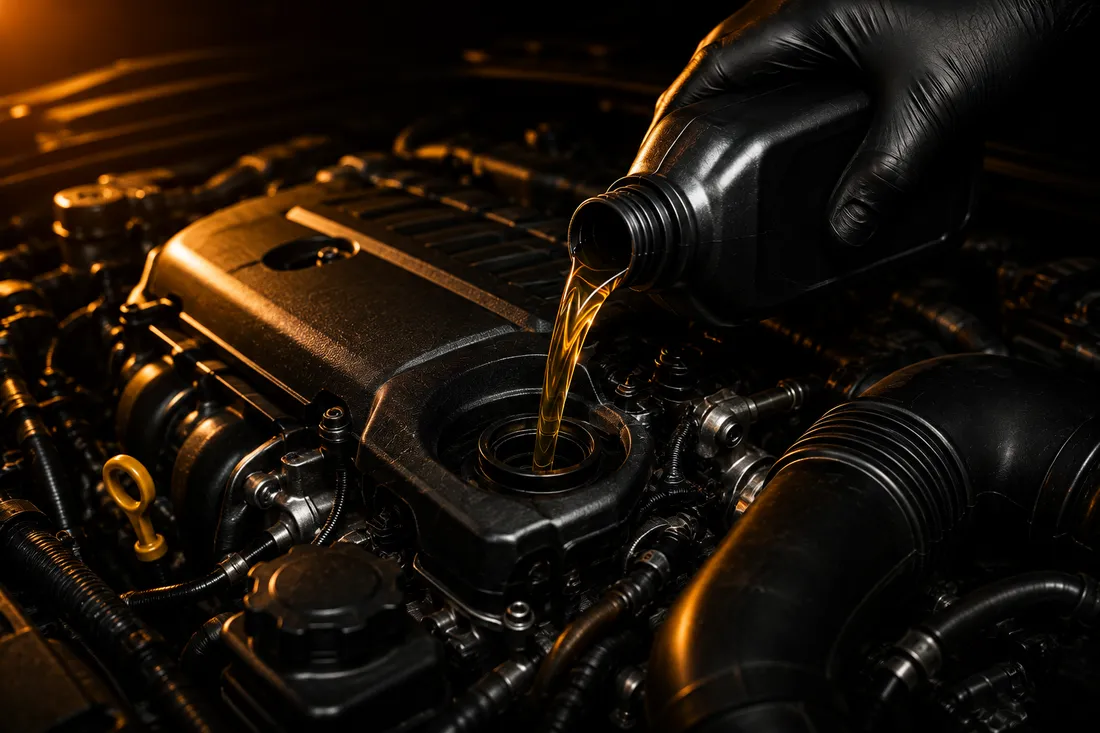
It’s the question we get most in the workshop, and the short answer is: it depends. But “it depends” helps no one, so let’s get concrete.
Let’s get to the point: oil is the thin film that stops your engine’s parts from tearing each other apart. When it degrades it doesn’t warn you with flashing lights — the engine just wears a little more every day. That’s why the right interval isn’t fussiness, it’s the cheapest thing you can do for your car.
The rule that really matters
For most modern cars with synthetic oil, the change lands around 10,000–15,000 km or once a year, whichever comes first. That “once a year” matters: oil ages even if the car sits still. But the exact number is set by your service book, not a neighbour or a YouTube video.
10–15k
km between changes (synthetic)
1×/year
even with low mileage
€0
surprises: fixed price up front
I’d rather show you the spec your manufacturer requires and let you decide, with the price fixed up front. None of that “just trust me”. Real transparency, or it isn’t Fast Cambio.
In Málaga your oil suffers more than you think
If you mostly drive around central Málaga — short trips, traffic, cold starts and that August heat — your oil has a harder life than a motorway driver’s. The engine never reaches its ideal temperature, moisture and fuel build up in the oil, and it degrades ahead of schedule.
Practical takeaway: in city use, shortening the interval is money well spent. An on-time change costs little; an engine failure costs a fortune.
Signs it’s due (no mechanic needed)
Check it yourself
- The oil or service light comes on
- The dipstick oil is very black and thick
- The engine sounds harsher or feels less smooth
- The manual’s months or km have passed

How we do it: step by step, in plain sight
Check-in & car data
We note make, model and plate. No appointment: you arrive and we serve you.
Your manual’s spec
We look up the grade and standard your maker requires, and show it on screen.
You pick brand & fixed price
You choose among top brands and confirm the price before we touch the car.
A service you can follow
We change oil and filter. From the waiting room you watch live what goes into your car.
Quality check & handover
We check levels and leaks, reset the light and you drive away sorted.
No small print
Everything we put in your car shows on the waiting-room screen. If anything doesn’t add up, we stop and talk it through.
Which oil? The spec isn’t negotiable
Your engine doesn’t ask for “a good oil”, it asks for a specific one. These are the three things we always check:
| What we check | Example | Why it matters |
|---|---|---|
| Viscosity grade | 5W-30 | Right flow when cold and hot |
| ACEA / API standard | ACEA C3 | Compatibility with your engine and particulate filter |
| Manufacturer approval | VW 504.00 | What your carmaker demands |
The “cheap” that gets expensive
Using an oil that doesn’t meet your standard can damage the particulate filter, raise consumption and even affect your warranty. That’s not saving — it’s losing.
One step further: a clean, protected engine
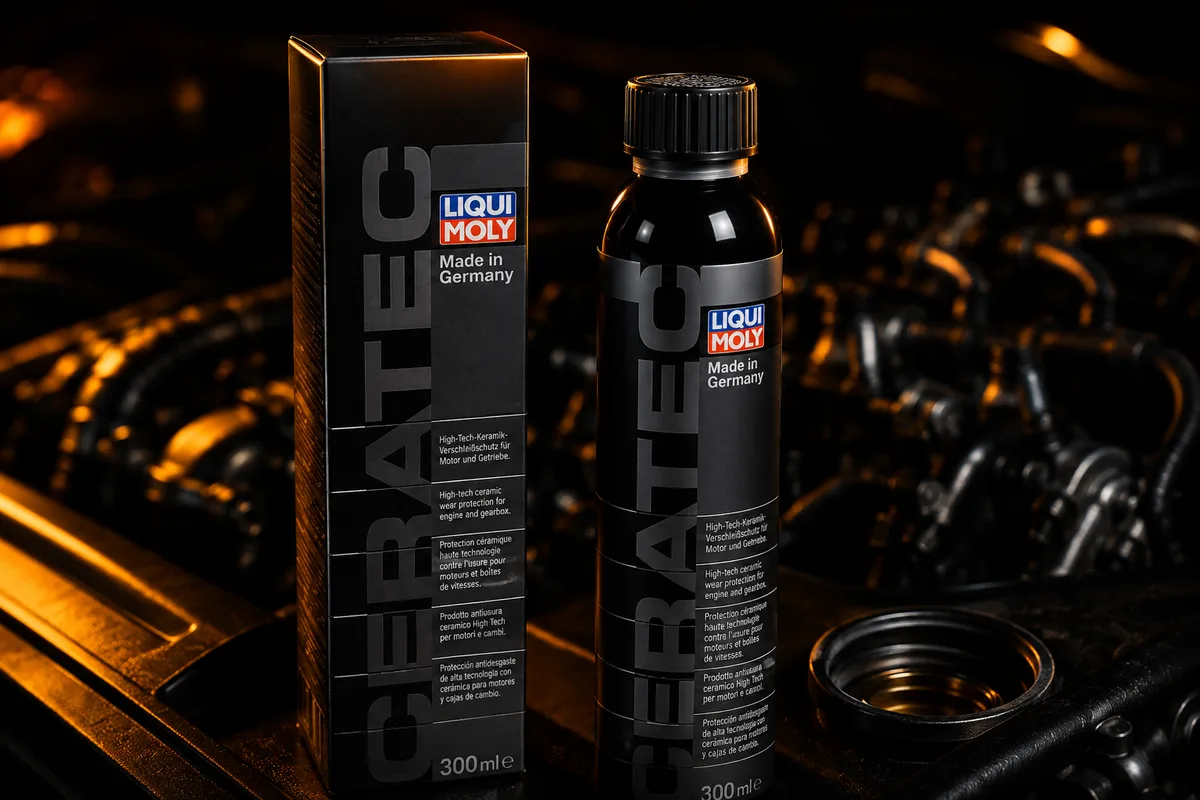
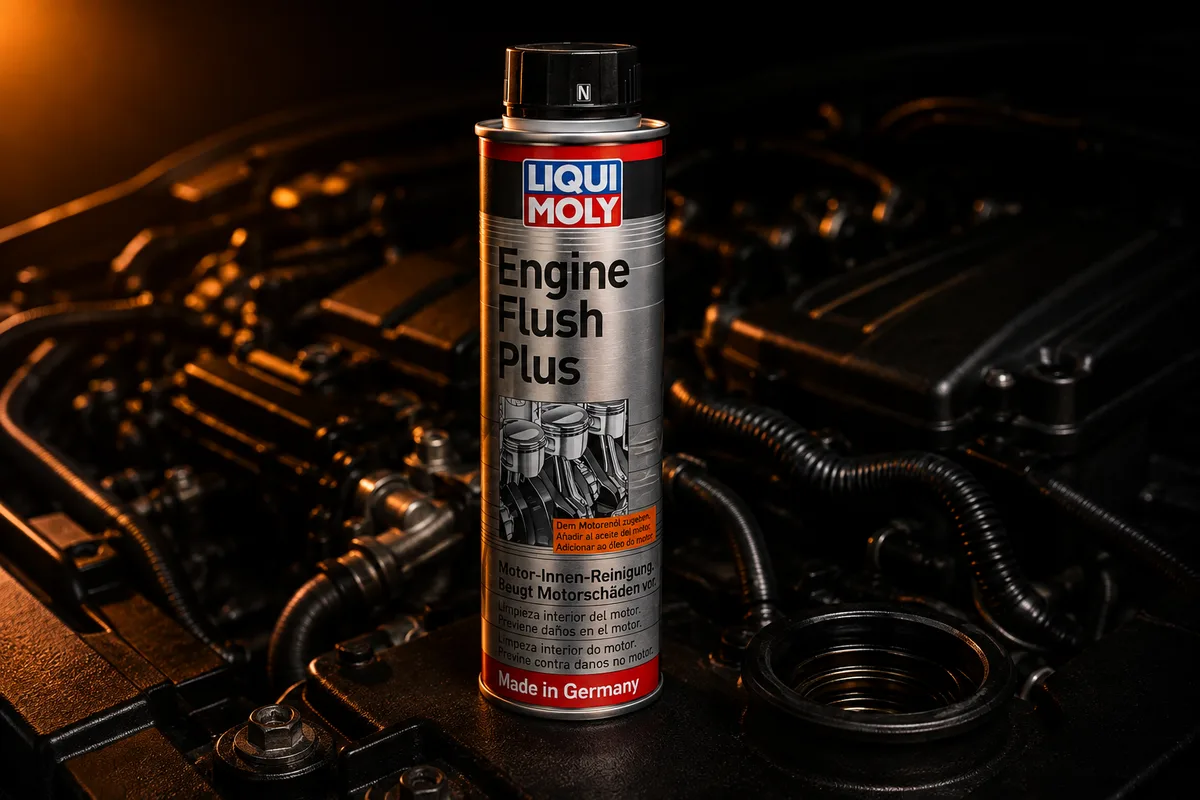
To get the most from the change, we do an internal engine clean (flush) right before, so the fresh oil enters a clean engine, and we can add Liqui Moly’s Cera Tec anti-wear additive. And if your car is automatic, don’t forget the gearbox oil.
Is your car due?
See everything included in our engine oil change in Málaga: no appointment and a fixed price before we start.
Key takeaways
- General guide: 10,000–15,000 km or 1 year on synthetic
- City use and short trips → shorten the interval
- Your manual’s spec always wins
- The oil filter is replaced at every service
Frequently asked questions
Can I go a few km over the oil change?
A small margin isn’t a catastrophe, but don’t make it a habit. The older the oil, the less it protects, and the wear it causes doesn’t come back.
Is pricier oil worth it?
More than “cheap or pricey”, what matters is that it meets your car’s standard. Within that, a good synthetic lasts better and protects more when cold. We help you choose without overselling.